ČLANAK BR. 118|Razmatranja lanca opskrbe: OEM u odnosu na aftermarket frikcione oslonce
šarke za prozorei
zglobni dijeloviMeđutim, uspostavljeni odnosi s proizvođačima originalne opreme (OEM) mogu osigurati predvidljive rasporede izdavanja za velike projekte.Prednosti rezervnih dijelova: Dodatna opremašarke za trenje prozorairučke za prozorečesto imaju na zalihama lokalni distributeri i veletrgovci, što omogućuje brže zamjene i hitne popravke. Držanje uobičajenih spojnih dijelova na zalihama pojednostavljuje održavanje na terenu.Rizik od zastarjelosti: Prozorski sustavi se razvijaju - OEM dizajni mogu se ukinuti kako se profili mijenjaju. Dobavljači dodatne opreme ponekad nastavljaju proizvoditi "universalddhhhzglobni dijeloviiručke za prozoreza naslijeđene sustave, olakšavajući održavanje starijih zgrada.Kontrola kvalitete, sljedivost i dokumentacija
Potrebe za sljedivošću: Za projekte koji zahtijevaju sljedivo podrijetlo materijala i dijelova, OEM dobavljači obično osiguravaju certifikate serije i sljedivost za
šarke za trenje prozorai kritičnozglobni dijelovi .To je važno za velike komercijalne ili institucionalne projekte.Sljedivost na tržištu dodatne opreme: Ugledni dobavljači dodatne opreme mogu dostaviti sličnu dokumentaciju, ali jeftiniji dobavljači mogu imati manju kontrolu serije, što otežava praćenje kvarova do izvornih komponenti poput ručki za prozore ili određenih serija šarki.Inspekcija i primopredajno ispitivanje: Bez obzira na to jesu li proizvođači originalne opreme ili aftermarket, kupci bi trebali zahtijevati ulazne inspekcije i cikličko ispitivanje uzoraka za
šarke za prozoreitrenje ostajei sačuvajte dokumentaciju za jamstva i revizije kvalitete. Standardizacija i modularnostOEM integracija: OEMšarke za trenje prozora
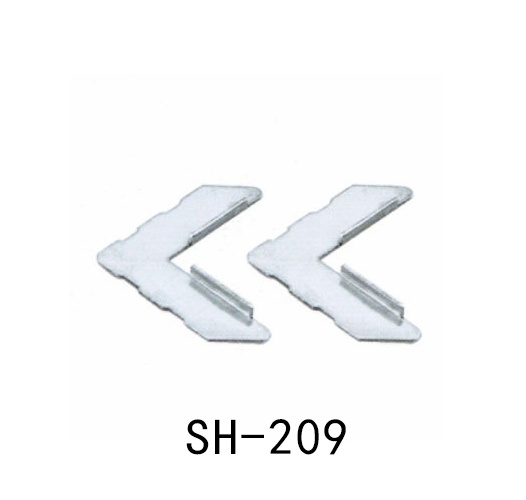
obično su dio dizajniranog sustava - odgovarajući spojni dijelovi, ojačanja krila, točke zaključavanja iručke za prozoreDizajn na razini sustava smanjuje rizik od neusklađenosti komponenti.Modularni pristupi zamjenskoj prodaji: Neki dobavljači zamjenske prodaje dizajniraju modularnozglobni dijelovii podesive nosače za više sustava. To može pojednostaviti popise za timove za održavanje koji servisiraju različiteokov za prozore i vratavrste u različitim zgradama.Strategija standardnih dijelova: Upravitelji objekata često održavaju zalihe uobičajenih rezervnih dijelovašarke za prozore
,
zglobni dijeloviiručke za prozorekako bi se smanjilo prosječno vrijeme popravka i izbjegle prilagođene narudžbe za svaki kvar.Jamstvo, podrška i servis
OEM podrška: OEM-ovi obično nude tehničku podršku vezanu uz originalni sustav okova za prozore i vrata, pomažući u određivanju ispravnihšarke za trenje prozorai zamjenazglobni dijeloviOva podrška može uključivati vodiče za pričvršćivanje i preporučene postavke momenta pritezanja zaručke za prozore.
Postprodajna podrška: Visokokvalitetni dobavljači postprodajne opreme pružaju pomoć pri inženjeringu aplikacija i ugradnji; manji distributeri mogu ponuditi ograničenu tehničku podršku. Procijenite razinu postprodajne podrške potrebne za složene instalacije.Obuka i dokumentacija: Proizvođači originalne opreme (OEM) mogu osigurati obuku instalatera za specifičnešarka za prozor sustave; dobavljači dodatne opreme mogu pružiti opće smjernice, ali ne i obuku specifičnu za sustavzglobni dijeloviili usklađenoručke za prozore
.
Regulatorna, sigurnosna i usklađena razmatranjaUsklađenost s propisima: Za projekte gdje su potrebni sigurnosni ograničitelji, sigurnost djece ili usklađenost s propisima o izlasku, OEMšarke za trenje prozorai odgovarajući spojni dijelovi dizajnirani su imajući na umu certificirane performanse. Prije upotrebe potrebno je provjeriti sukladnost zamjenskih dijelova.Odgovornost i certifikacija: Korištenje neodobrene dodatne opremeručke za prozoreili
trenje ostajeumjesto komponenti koje specificira proizvođač originalne opreme može imati regulatorne ili osiguravateljske implikacije za građevinske projekte ili radove na obnovi.Strategija zaliha i planiranje životnog ciklusaKritični rezervni dijelovi: Održavajte zalihe originalnih ili aftermarket rezervnih dijelovašarke za trenje prozora
,zglobni dijeloviiručke za prozorena temelju povijesti kvarova i rizika od vremena isporuke. Kritični projekti fasada mogu zahtijevati rezervne dijelove usklađene s proizvođačima originalne opreme (OEM) za ujednačen izgled i performanse.
Standardizacija među imanjima: Upravitelji objekata često standardiziraju ograničen skup tipova šarki (OEM ili renomirani aftermarket) kako bi pojednostavili skladištenje
zglobni dijeloviiručke za prozore i smanjiti složenost obuke za timove za održavanje.Planiranje zastarjelosti: Pratite životne cikluse proizvoda za OEM i za aftermarketdržač za trenje prozorašarke
planirati postupne zamjene ako se prestanu proizvoditi OEM dijelovi.Odabir i kvalifikacija dobavljačaProcijeniti proizvođače na temelju sustava kvalitete (ISO 9001), testiranja i referenci zašarke za trenje prozora izglobni dijelovi.
Zatražite uzorke i provedite ubrzana ciklička ispitivanja i ispitivanja korozije tamo gdje su dugoročne performanse ključne.Procijenite financijsku stabilnost i transparentnost lanca opskrbe dobavljača - što je posebno važno za velike projekte koji zahtijevaju dugoročne rezervne dijelove.Primjeri slučajeva i slučajeva upotrebe
Specifikacije za novogradnju: Arhitekti i fasadni inženjeri često navode OEM
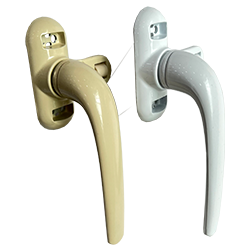
šarke za trenje prozorai odgovarajuće spojne dijelove iručke za prozorekako bi se očuvalo jamstvo proizvođača i osigurale performanse sustava.Obnova i održavanje: Upravitelji objekata često koriste visokokvalitetne rezervne dijelovešarke za prozorei
zglobni dijelovibrzo zamijeniti neispravne dijelove kod različitih marki prozora - balansirajući troškove i dostupnost. Obalna obnova: Projekti u korozivnim okruženjima mogu preferirati nehrđajući čelik OEM ili specificirani premazšarke za trenje prozorai
zglobni dijelovikako bi se zajamčili standardi završne obrade i materijala.ZaključakIzbor između originalne opreme (OEM) i dodatne opreme (aftermarket)trenje ostaje
utječe na više od same cijene po jedinici: utječe na kompatibilnost, jamstvo, vrijeme isporuke, troškove životnog ciklusa i upravljanje rizicima za
šarke za prozore,šarke za trenje prozora,okov za vrata i prozore,
ručke za prozore
izglobni dijeloviZa projekte koji zahtijevaju točno pristajanje, dokumentirane performanse i dugoročnu jamstvenu podršku, često se preferiraju OEM dijelovi. Za programe održavanja kojima je potrebna brza dostupnost i niži početni troškovi, renomirani dobavljači dodatne opreme mogu biti pragmatičan izbor - pod uvjetom da su komponente kvalificirane, testirane i dokumentirane. Bez obzira na izvor, disciplinirani proces kvalifikacije dobavljača, strateško skladištenje rezervnih dijelova i jasna dokumentacija kompatibilnosti smanjit će vrijeme zastoja i produžiti vijek trajanja sklopova okova za prozore i vrata.friction stays, and retain documentation for warranties and quality audits.
Standardization and modularity
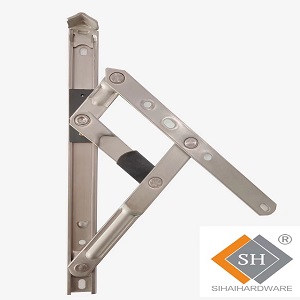
OEM integration: OEM window friction stay hinges are usually part of a designed system—matching joint pieces, sash reinforcements, locking points, and window handles. System-level design reduces risk of component mismatch.
Aftermarket modular approaches: Some aftermarket suppliers design modular joint pieces and adjustable stays to fit multiple systems. This can simplify inventories for maintenance teams who service varied window and door hardwaretypes across different buildings.
Standard parts strategy: Facilities managers often maintain stocks of common aftermarket window hinges, joint pieces, and window handles to reduce mean time to repair and avoid custom orders for every failure.
Warranty, support, and service
OEM support: OEMs usually offer technical support tied to the original window and door hardware system, helping specify correct window friction stay hinges and replacement joint pieces. This support can include fitment guides and recommended torque settings for window handles.
Aftermarket support: High-quality aftermarket vendors provide application engineering and fitment assistance; smaller distributors may offer limited technical backing. Evaluate the level of post-sale support needed for complex installations.
Training and documentation: OEMs may provide installer training for specific window hinge systems; aftermarket suppliers may provide general guidance but not system-specific training for joint pieces or matched window handles.
Regulatory, safety, and compliance considerations
Code compliance: For projects where safety restrictors, child-safety, or egress compliance is required, OEM window friction stay hinges and matching joint pieces are designed with certified performance in mind. Aftermarket parts must be checked for compliance before use.
Liability and certification: Using non-approved aftermarket window handles or friction stays in lieu of OEM-specified components can have regulatory or insurance implications for construction projects or refurbishment works.
Inventory strategy and lifecycle planning
Critical spares: Maintain OEM or aftermarket spare stocks of window friction stay hinges, joint pieces, and window handlesbased on failure history and lead time risk. Critical façade projects may require OEM-matched spares for uniform appearance and performance.
Standardization across estates: Facilities managers often standardize on a limited set of hinge types (OEM or reputable aftermarket) to simplify stocking of joint pieces and window handlesand to reduce training complexity for maintenance teams.
Obsolescence planning: Track product life cycles for both OEM and aftermarket window friction stay hinges; plan phased replacements if OEM parts are discontinued.
Supplier selection and qualification
Evaluate manufacturers on quality systems (ISO 9001), testing, and references for window friction stay hinges and joint pieces.
Request sample lots and perform accelerated cycle and corrosion testing where long-term performance is critical.
Assess financial stability and supply-chain transparency of suppliers—especially important for large projects requiring long-term spare parts.
Case examples and use-cases
New build spec: Architects and façade engineers frequently specify OEM window friction stay hinges and matching joint pieces and window handles to preserve manufacturer warranty and ensure system performance.
Refurbishment and maintenance: Facilities managers often use high-quality aftermarket window hinges and joint pieces to quickly replace failed parts across varied window brands—balancing cost and availability.
Coastal retrofit: Projects in corrosive environments may prefer OEM stainless or specified coated window friction stay hinges and joint pieces to guarantee finish and material standards.
Conclusion
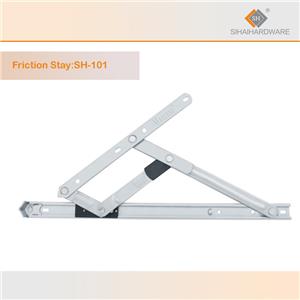
The choice between OEM and aftermarket friction stays influences more than unit price: it affects compatibility, warranty, lead times, lifecycle costs, and risk management for window hinges, window friction stay hinges, door and window hardware, window handles, and joint pieces. For projects requiring exact fit, documented performance, and long-term warranty support, OEM parts are often preferred. For maintenance programs that need fast availability and lower upfront cost, reputable aftermarket suppliers can be a pragmatic choice—provided components are qualified, tested, and documented. Regardless of source, a disciplined supplier qualification process, strategic spare-part stocking, and clear documentation of compatibility will reduce downtime and extend the service life of window and door hardware assemblies.